Stuart Dickinson
Images: Leon Sadiki
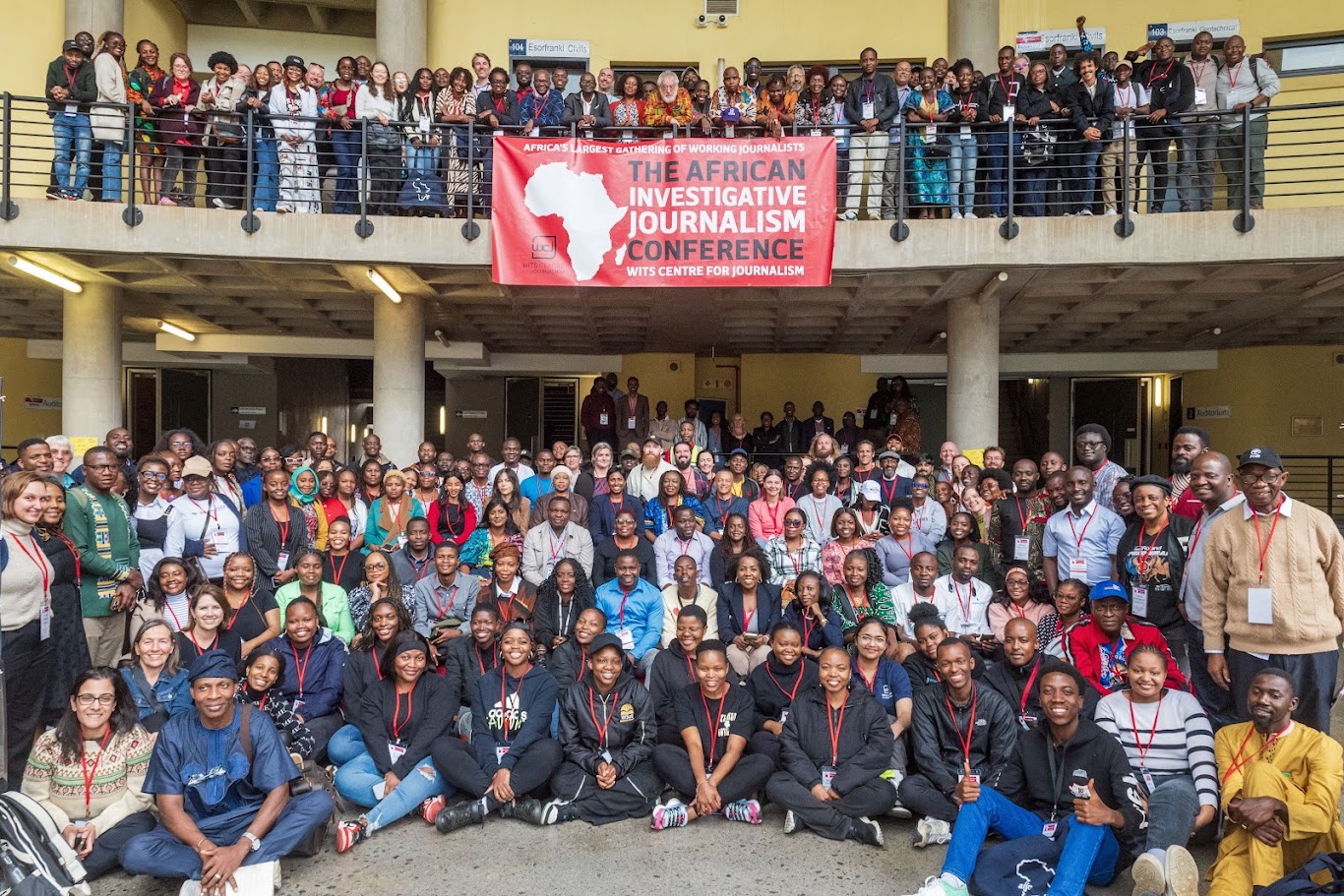
Over 450 delegates from 50 countries participated in 65+ lectures, workshops and networking sessions at the 21st African Investigative Journalism Conference (AIJC), held at Wits University in Johannesburg from 5-7 November.
Widely hailed as one of the most successful editions yet, the gathering attracted delegates from 38 African countries. Journalists, trainers, educators, media professionals and journalism funders joined the Wits Centre for Journalism’s (WCJ) flagship event from:
Algeria, Benin, Botswana, Brazil, Burkina Faso, Burundi, Côte d’Ivoire, Cameroon, Central African Republic, Chad, China, the DRC, Denmark, Egypt, Eswatini, Ethiopia, France, The Gambia, Germany, Ghana, Guinea, India, Kenya, Lesotho, Liberia, Madagascar, Malawi, Mali, Mauritania, Mauritius, Mozambique, Namibia, Netherlands, Niger, Nigeria, Norway, Senegal, Sierra Leone, South Africa, Spain, Sudan, Sweden, Tanzania, Togo, Tunisia, Uganda, United Kingdom, United States, Zambia, and Zimbabwe.
“When we curated the program for this year, we were very purposeful in not only inviting the best and brightest minds in investigative journalism to the conference,” said AIJC convener Beauregard Tromp. “We need to step outside of our own echo chamber and look at ideas and inspiration from persons and organisations working adjacent to the journalism industry.”
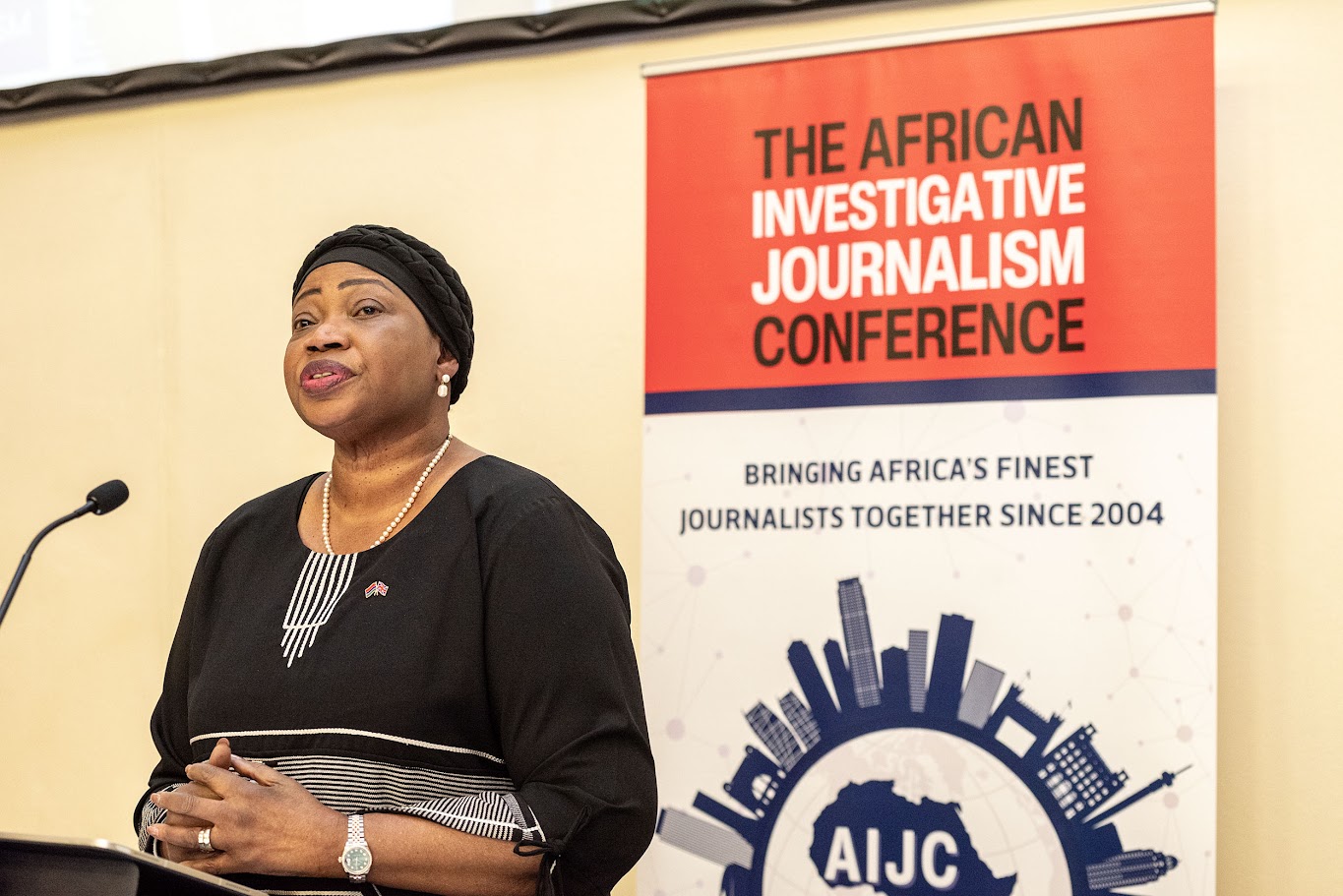
Former prosecutor of the International Criminal Court Fatou Bensouda delivered the keynote at the opening of the conference, calling for empowered youth, accountable leadership, and a courageous press as essential elements of an African resurgence.
“By uncovering injustice, journalists are not just recording history, they are shaping it. The media’s responsibility must go beyond this by also shining a light on solutions and innovations, and those overcoming adversity.”
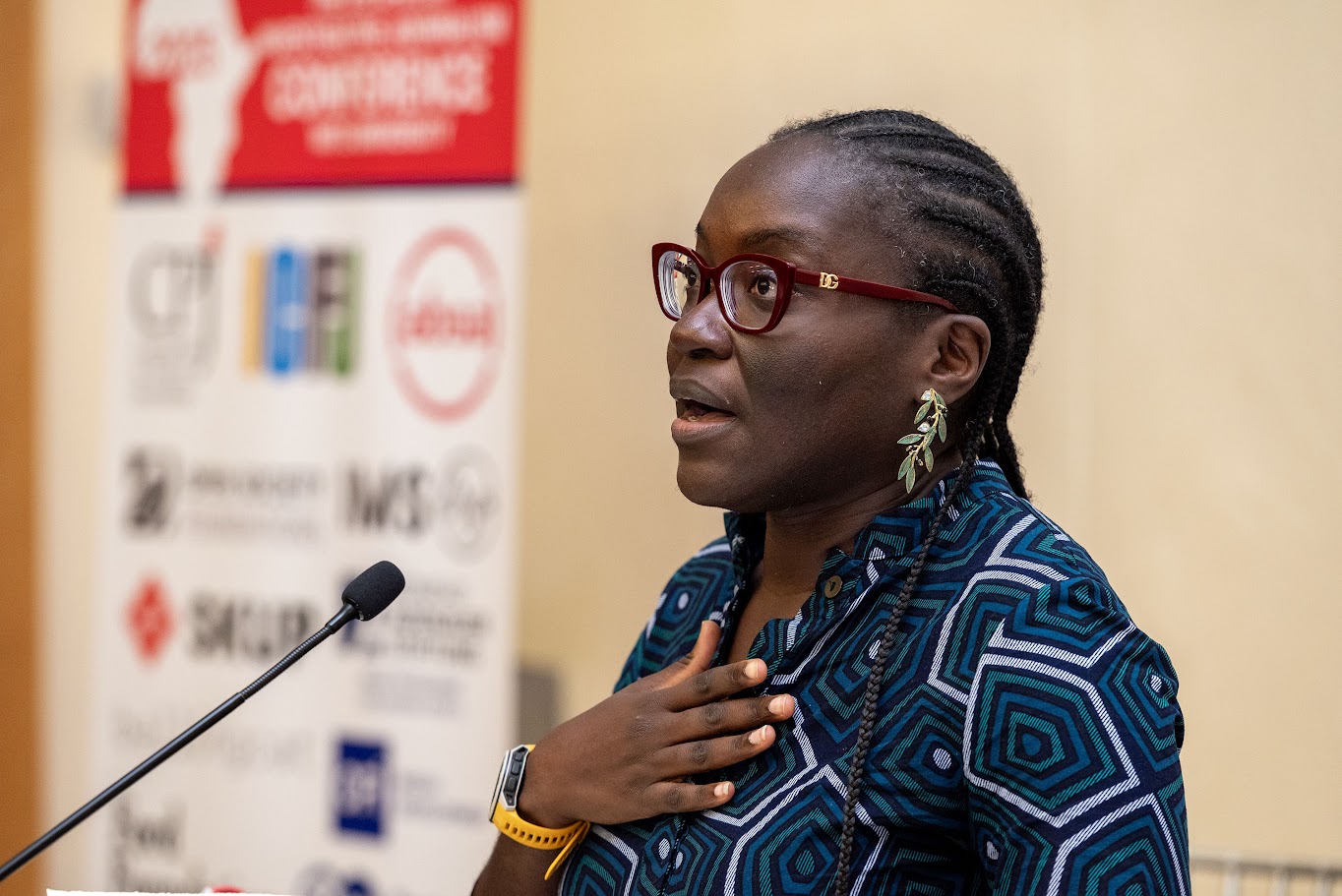
Nanjala Nyabola, one of the foremost critical thinkers and writers in Africa today, used her keynote address on the second day to challenge delegates to shift their thinking about African politics and leadership. Nyabola provoked the audience to consider if “liberators” of authoritarian regimes in Africa are using their power to usher in new waves of authoritarianism.

Africa Editor of the Global Investigative Journalism Network and graduate of the Wits Centre for Journalism, Benon Oluka, appreciated the emphasis on mental health and wellbeing of journalists at this year’s conference.
“We do a lot of work investigating what other people are doing, but we don’t always shine a light on ourselves. From the opening keynote and the annual Carlos Cardoso lecture to Dr Joe Ageyo’s address at the AIJC awards and many sessions in-between, there has been more attention given to the safety and security of journalists themselves, looking into their welfare.
“It reminds us that we should not be looking at investigative journalists as machines who only churn out stories, and who are expected to always put themselves in danger to do so. We are affected by what we do, what we see, and it’s important to highlight that.”
Oluka said he was also heartened to see so many new tools pioneered by African innovators that enhance the investigative work journalists do on the continent, such as the NewsAssist AI tool developed by Elfredah Kevin-Alerechi, Maai, a climate narrative intelligence tool that aims to redefine how climate stories drive real-world impact, and the Oxpeckers’ WildEye tool which tracks and maps environmental crime across the world, to name a few.
Graeme Hosken, South African investigative journalist and runner-up of the WCJ’s 2023 Taco Kuiper Award, commented on the ability of the conference to foster impactful cross-border collaborations.
“I really enjoyed this year’s Bellingcat workshops and their session on how they found the admin officer of a pro-Wagner group promoting violence in Africa – ‘Unmasking Maskov’. After meeting members of the Bellingcat team at a previous AIJC, they’ve since helped me with tools I’m using in a current investigation into organised crime in South Africa, which wouldn’t have happened without them,” said Hosken.

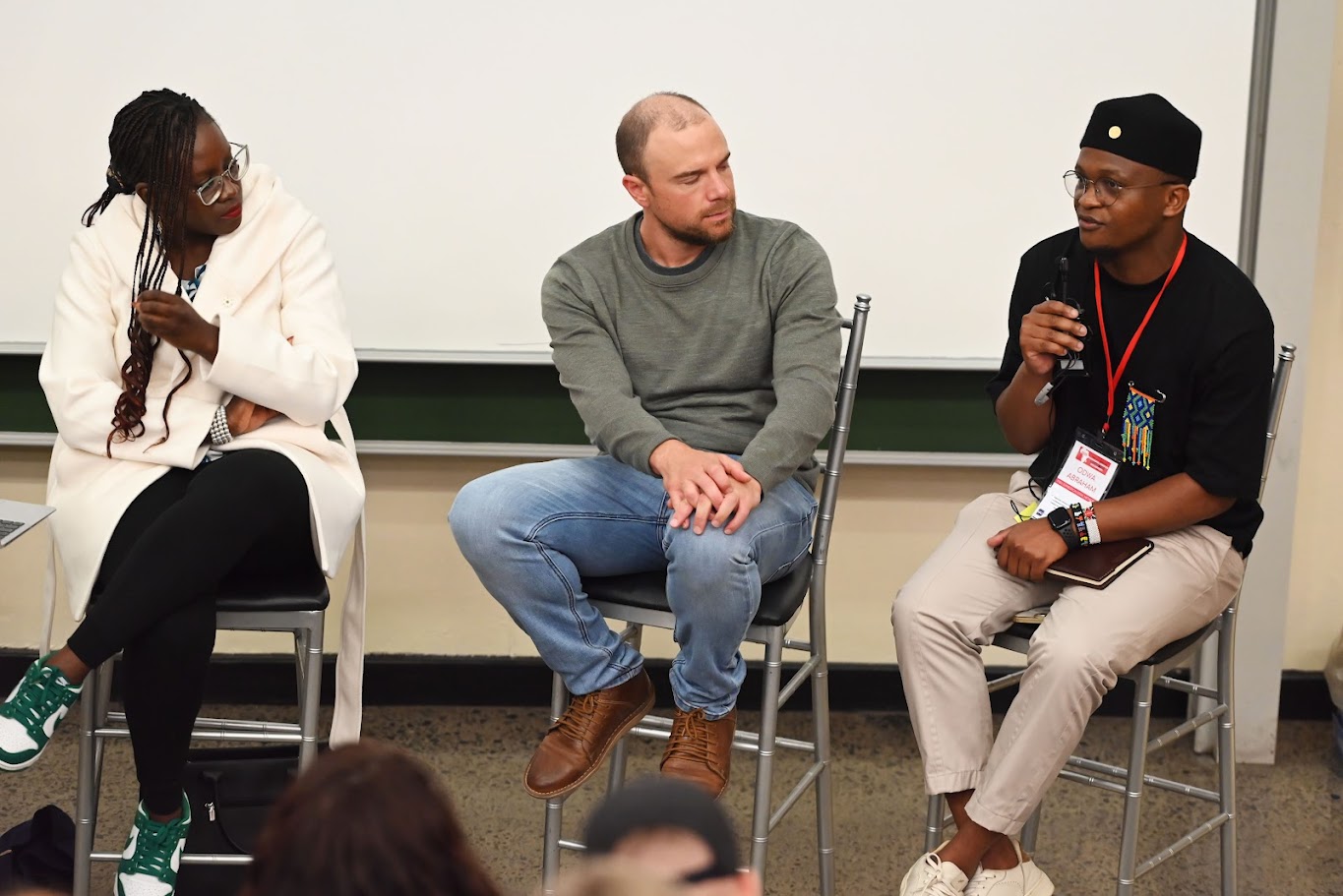
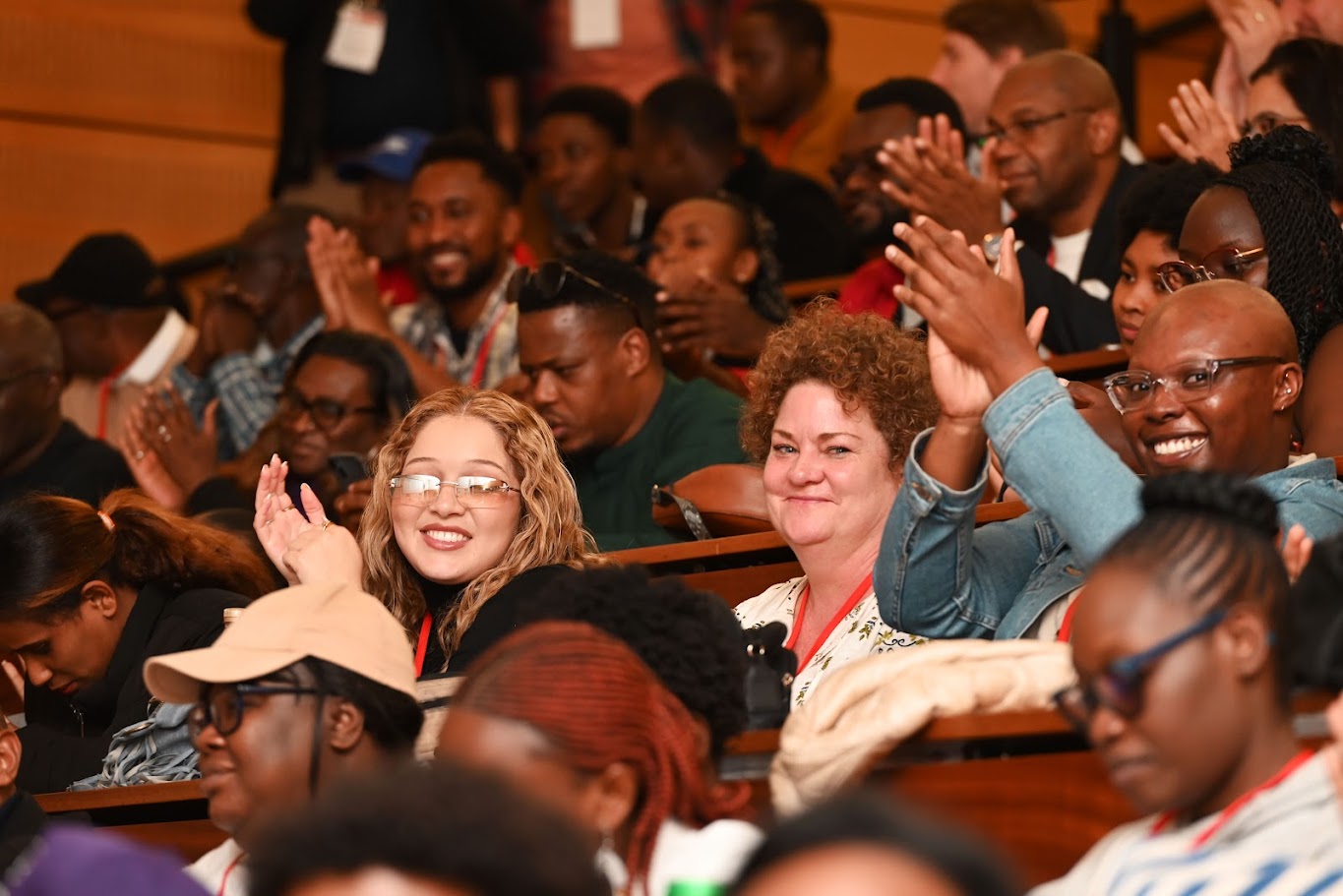
Mongabay’s Juliette Chapalain, who led a session with her colleagues on investigating mining impacts in the Congo Basin, said the AIJC is an important space where many journalists and editors can reaffirm their sense of community and strengthen collaborations.
“I have known and worked with certain colleagues for eight or more years, and we have only met in person here at the conference. AIJC lets us come together and find new ways to collaborate, where we are driven by a shared sense of passion. I work mainly with Francophone countries on the continent, so this is a great way for us to spread out to East and Southern Africa.
“Mongabay recently launched a new French fellowship programme, so this year’s conference also presented an opportunity to engage with Africa’s Francophone journalism community and share details about it,” added Chapalain.
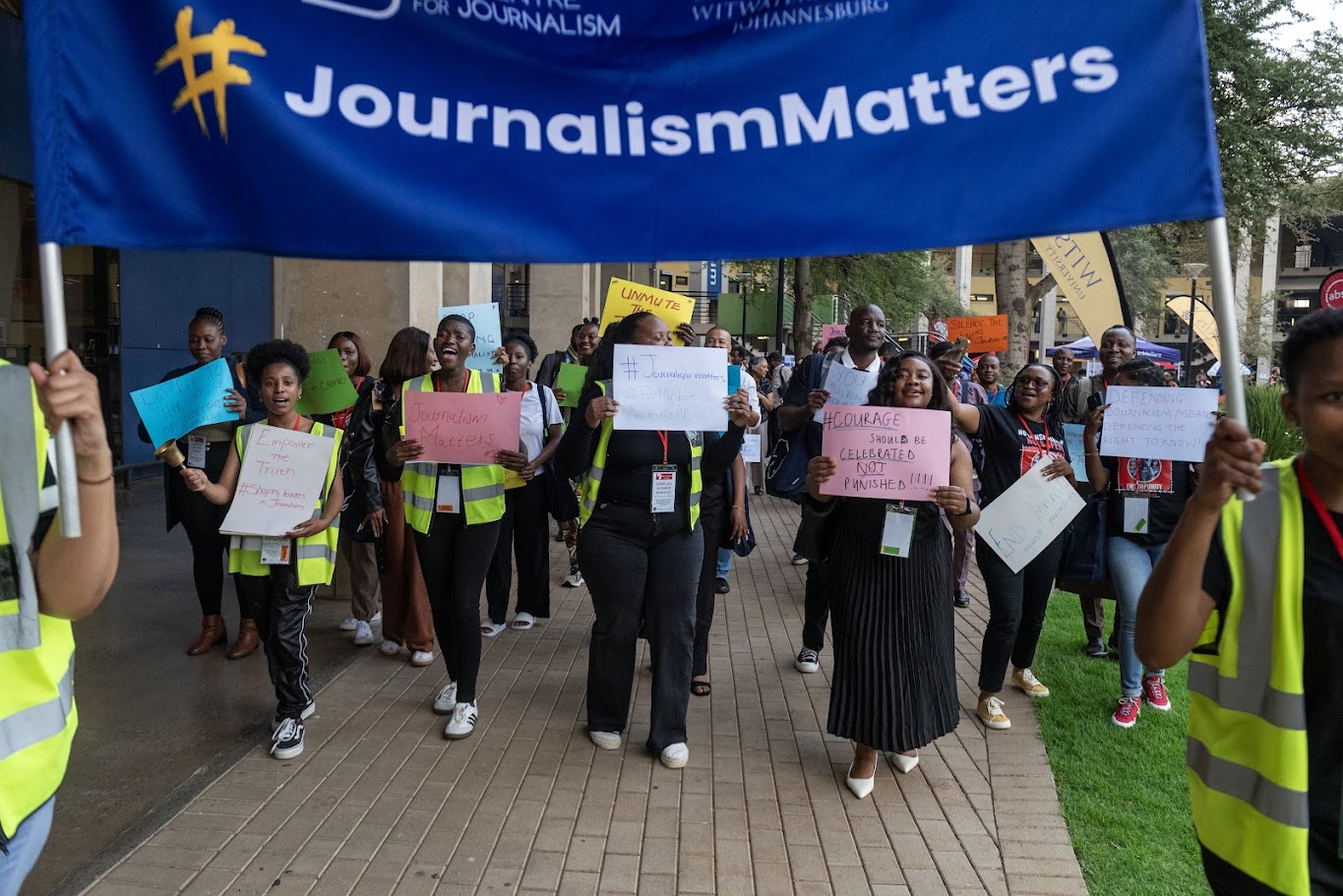
The conference paused on the first day to remember fallen journalists and show solidarity with journalists under threat globally. Delegates created placards with messages of solidarity highlighting the safety and sustainability issues journalists face just for doing their jobs.
Holding these aloft, the AIJC delegation made their way to the Wits Great Hall for the 14th annual Carlos Cardoso Memorial Lecture held in collaboration with the Committee to Protect Journalists (CPJ), delivered this year by veteran Mozambican journalist Fernando Lima, a friend of the slain Cardoso.


Speaking at the lecture, CPJ’s Africa Director Angela Quintal said it’s never been more dangerous to be a journalist. “According to CPJ’s annual prison census, a record 376 journalists were behind bars as of 1 December 2024. Over the past three years, we’ve seen the deadliest period for journalists ever recorded by CPJ. In the year 2000, Carlos Cardoso was one of 45 journalists killed for their work. Last year, 125 journalists and media workers were killed worldwide.”
Quintal urged journalists to stay the course, in the same way as those who fought for justice after Cardoso’s assassination.
“We as journalists cannot stay silent. Journalism matters, because the truth still matters,” she said.
At the conference closing on 7 November, Tromp also reminded delegates that the work done at the conference, while important and impactful, is not enough.
“With nearly 500 journalists, trainers and others in the industry attending this conference every year, looking to collaborate and better their craft, it would be remiss of us not to better mobilise and support this community throughout the year,” he said.
“This is why the WCJ has created the African Investigative Journalism Network (AIJN). Working with individuals, investigative journalism outfits and organisations, regional organisations, funders and trainers, we have already been able to host some critical workshops and host renowned speakers through AIJN. We have also been able to support dozens of investigative works, not only financially but through mentorship and editing, working together to fill some of the gaps we have in the larger investigative community.
“AIJN is your vehicle. Like this conference, it is here to serve you. You have an open invitation to help inform how AIJN does that,” said Tromp.
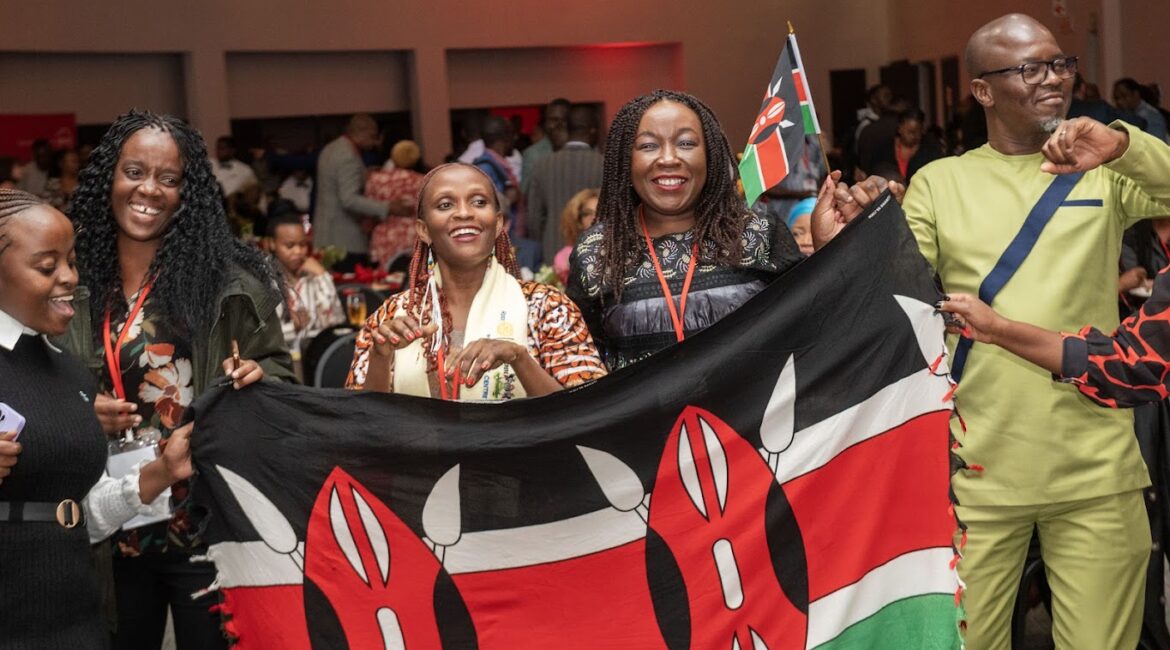
The conference ended with the much-anticipated formal announcement that it was moving to Kenya in 2026, a response to numerous calls to take the conference on the road. The 2026 AIJC will take place at Aga Khan University in Nairobi from 10-12 November.