Catch up with the latest news from the WCJ in our monthly newsletter.

Wits Vuvuzela alumni scoop top honours at Sikuvile Awards


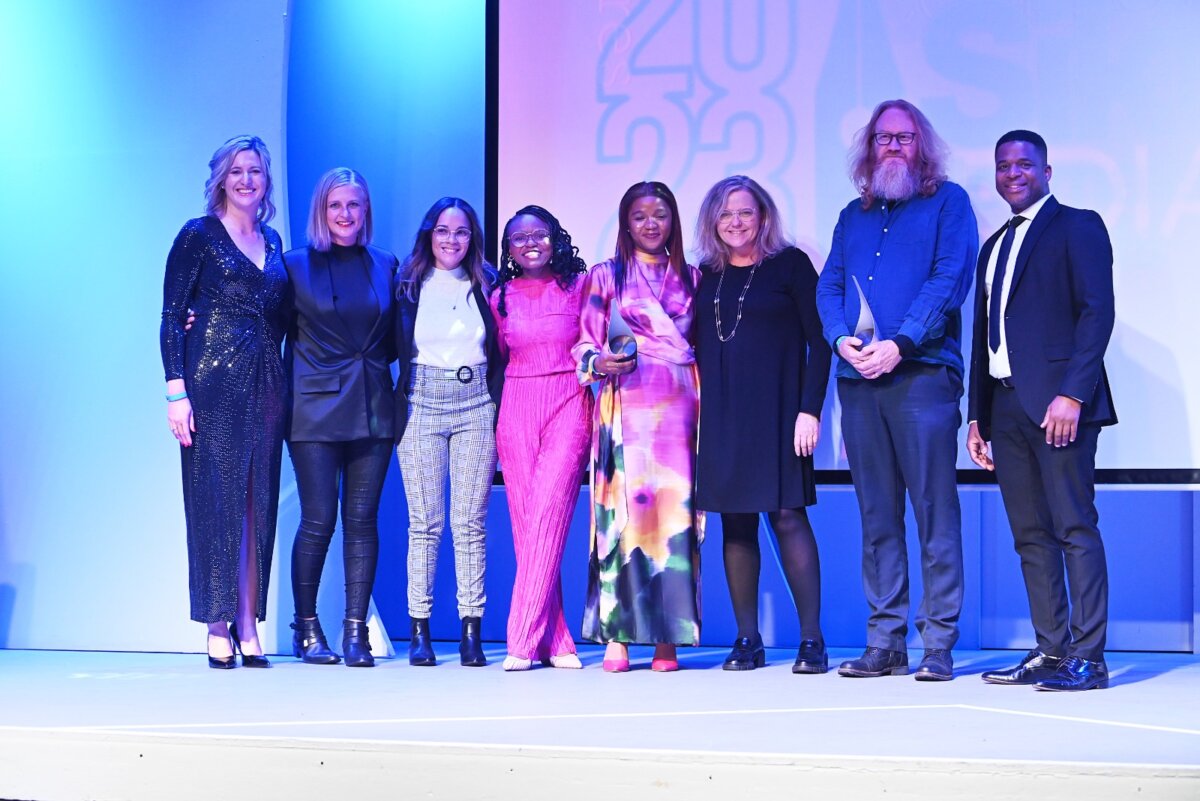
It was a proud night for staff and lecturers at the Wits Centre for Journalism (WCJ), watching on as three Wits Vuvuzela alumni took to the stage at the Standard Bank Sikuvile Journalism Awards on June 24 to receive recognition for their outstanding journalistic work. 


WCJ alumni Nokuthula Manyathi (class of 2014), Kayleen Morgan and Chanté Schatz (class of 2017) of the News24 team won joint top honours in the features category for their moving documentary When the Rains Came, a story on the catastrophic flooding which took place in KwaZulu-Natal in April 2022 and the aftermath which followed.   


Morgan was also a winner with Malibongwe Dayimani in the community service reporting category for their series of articles covering the Enyobeni tavern tragedy in 2022.


Click here to read the full article.


Pictured: Standard Bank head of business and commercial banking Simone Cooper (far left) and Sanef chairperson Sbu Ngalwa (far right), with joint winners of the features category Sharlene Rood, Chanté Schatz, Nokuthula Manyathi and Kayleen Morgan (Media 24 team), and Laura Grant and Alastair Otter (Media Hack team).

Profile: Like the climate, Dr Enoch Sithole is one degree hotter


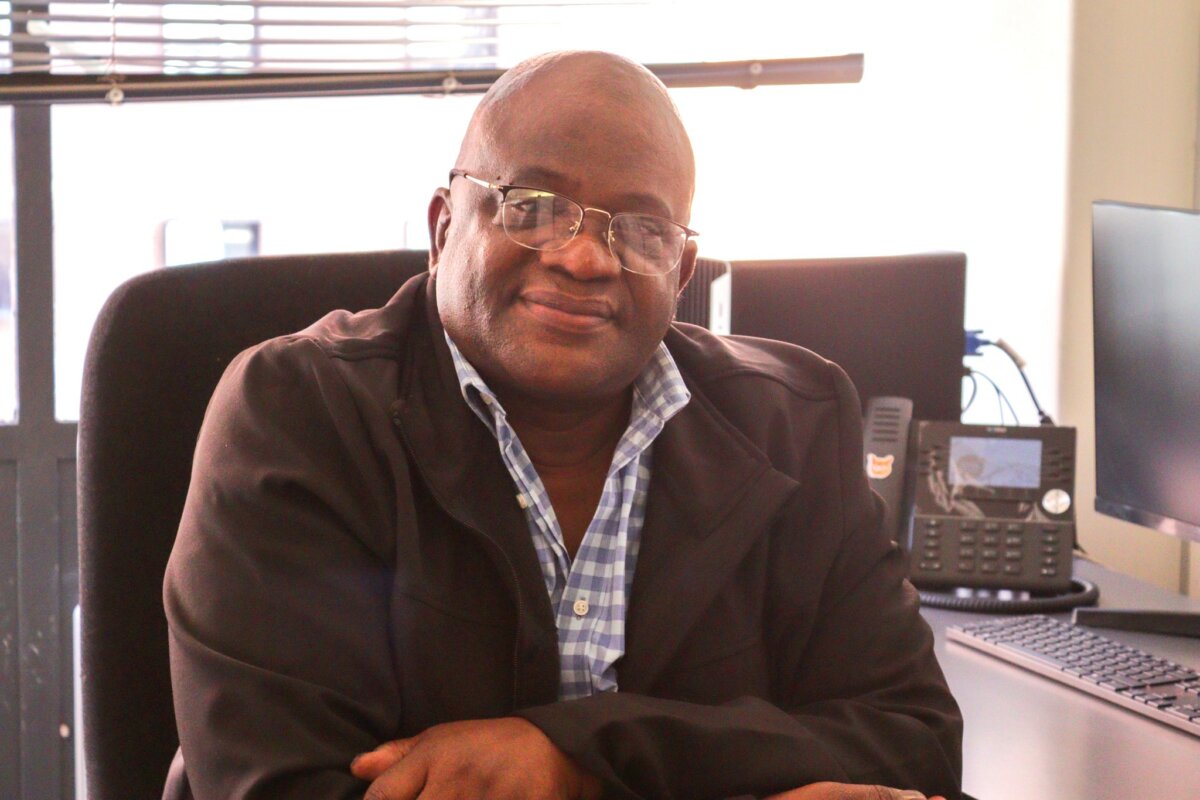
Lecturer at the Wits Centre for Journalism (WCJ), Dr Enoch Sithole, recently obtained his PhD for his extensive research into media coverage of climate change in South Africa.


His research emphasised that climate change should not be looked at as only existing in the physical science space, because solutions to the global issue are also found in social spaces. “If we’re going to involve everybody in fighting climate change we need to communicate. I want to take a subject such as climate change to the masses through journalism and other communication methods,” said Sithole.


Click here to read the full profile. 


Photo: Sfundo Parakozov

Using data journalism in Africa


Data journalism can be a powerful tool for African journalists, helping them uncover stories that would otherwise go unnoticed and tell stories in a more visual and engaging way. However, data journalism is still not widely utilised in Africa – and journalism schools should be stepping up to improve students’ skills. Apart from anything else, it will make them more employable. We spoke to Laura Grant of Media Hack Collective to find out more.


Click here to read the full article.

RECORDING: Exploring AI in Journalism – Jamlab Africa coordinator Lindokuhle Nzuza spoke to Tshepo Tshabalala, manager of Journalism AI at Polis, the journalism think-tank at the London School of Economics, to understand the impact AI has on the journalism profession. How can newsrooms incorporate AI into their daily workload? What are the ethical implications that need to be considered?  


Watch the full webinar here.


RECORDING: DNA Profiling for Journalists in Africa – The Wits Centre for Journalism and Wits Justice Project, together with the International Committee of the Red Cross, the United Nations Office on Drugs and Crime and DNA for Africa, hosted an online workshop about forensic DNA in Africa, how the science works, and how DNA profiling and DNA databases can be used to aid humanitarian efforts and criminal justice investigations.


Watch the full webinar here.


UPCOMING: TikTok in the newsroom – Join Jamlab Africa for their next webinar in collaboration with DW Akademie, which will explore the introduction of TikTok in newsrooms and how journalists can get the most out of the platform.


When: July 12, 12pm to 1:15pm.


Click here to sign up. 

Unlock your potential with WCJ's Introduction to Financial Journalism course


Having a good working knowledge of the economy and business can help you provide more insightful and valuable coverage of the news. This course, aimed at anyone curious about how the world of business works, will equip you with essential knowledge about the economy, business and finance to drive your career forward. After all, almost every story has a money-related angle to it.


The South African Reserve Bank is offering full funding for this course to a limited number of students. Applicants must have an undergraduate qualification, and must include a letter of motivation with the application. The course will have a combination of in-person and online classes.


WHEN: Begins July 20, taking place on Thursdays from 3pm to 5pm for 10 weeks.


Click here for details and download the application form.

Africa's biggest journalistic event returns for 19th year


Mark those calendars – the 19th African Investigative Journalism Conference is only a few months away. This year's conference will take place from 20 to 22 November at Wits University in Johannesburg, bringing the continent's media professionals together for three packed days of engaging seminars, workshops, lectures and networking sessions. 


Keep an eye on the AIJC website and our social media channels for updates and other opportunities leading up to the big event. See you there!

Jobs & Opportunities

• The Wits Centre for Journalism is looking for a senior lecturer to join the team in Johannesburg. Candidates must demonstrate an ability to teach in at least two subject areas at postgraduate level. Deadline: July 3. Click here for details.


• Young science journalists and communicators worldwide are invited to apply for a bursary to attend the Erice Science Communication and Journalism summer school at the Italian Institute of Nuclear Physics, held annually in Erice. Deadline: July 2. Click here for details.


• The Conversation Africa is looking for a multimedia editor based in South Africa. Develop and implement strategies to build audiences and increase engagement with the brand's content across Africa. Deadline: July 14. Click here for details.

View all
facebook  twitter 
Wits Centre for Journalism

All rights reserved © 2023
Unsubscribe   |   Manage your subscription   |   View online