|
WCJ endorses Big Tech and Journalism: Principles for Fair Compensation
The WCJ, joined by local and international organisations, recently participated in the Big Tech and Journalism conference hosted by the Gordon Institute of Business Science (GIBS), and endorsed the Principles for Fair Compensation which seek to guide development of mechanisms that support media sustainability in a variety of contexts.
At the time of writing, the Principles have subsequently been endorsed by over 78 people in 25 countries, with support from leading journalists, media organisations, scholars, publisher groups, activists and economists, including 2001 Nobel Laureate Professor Joseph E. Stiglitz.
Click here to read the full article. |
| |
|
WCJ Webinar [recording]: How to Approach History in Narrative Non-Fiction and Literary Journalism
The Wits Centre for Journalism was recently joined by South African authors Jonny Steinberg and Lesley Mofokeng to discuss how to approach history in narrative non-fiction and literary journalism.
While Steinberg’s first books were hailed as contemporary works of literary journalism, they included substantial historical research alongside in-depth interviewing, immersion and other journalistic techniques. His most recent book, Winnie and Nelson: Portrait of a Marriage, seems to be a shift into a fully historical focus.
In The Man Who Shook Mountains, Mofokeng investigates the life of his remarkable grandfather, Mongangane Wilfred Mofokeng, a prominent Dutch Reformed Church evangelist who built a thriving community out of the dust of the far North West.
In this webinar, the panel discussed the challenges in writing about events long past, and people who are gone.
Click here to watch the full webinar. |
| |
|
Webinar [recording]: How journalists can effectively use TikTok for storytelling
Young people are finding new ways of consuming and sharing news, and news outlets, including journalists, need to adjust accordingly. Jamlab Africa recently partnered with DW Akademie to discuss the introduction of TikTok in newsrooms, how TikTok journalism works, as well as the different journalistic formats that work well on the platform.
“According to the 2023 Digital News Report conducted by the Reuters Institute, video-based content distributed through TikTok and YouTube is becoming popular for news, particularly in the Global South,” said Lindokuhle Nzuza, Jamlab project coordinator. “In South Africa, 22% of TikTok users use the platform to consume news, with some media outlets joining the platform to tell engaging stories. However, there is a need to train journalists on algorithm engagement and how to make a story stand out.”
Click here to watch the full webinar. |
| |
|
Meet the 7th cohort of the Jamlab Accelerator Programme
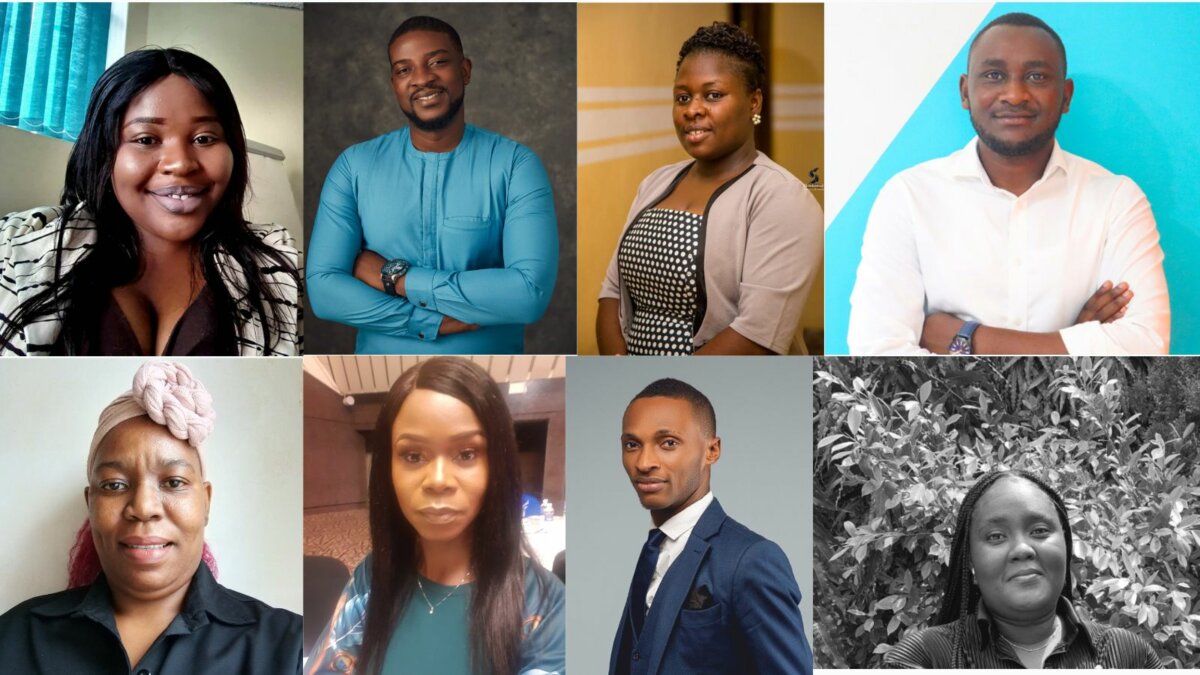
Jamlab Africa is excited to welcome seven companies from across the continent as part of its 2023 Accelerator Programme. The chosen teams are dynamic, innovative, and forward-thinking, and show promise in being able to take their companies beyond the borders of Africa.
With only seven spaces available on the programme, the selection process has been challenging as impressive entries were received from across the continent. Jamlab received over 180 applications with a wide range of themes, from intersectionality of media and tourism, to preserving wildlife in Africa and storytelling through fashion, all adding to the continent’s diverse media and journalism landscape.
Click here to meet the 7th cohort. |
| |
|
WCJ attends ‘Punishment in the Global Peripheries’ conference, Mumbai
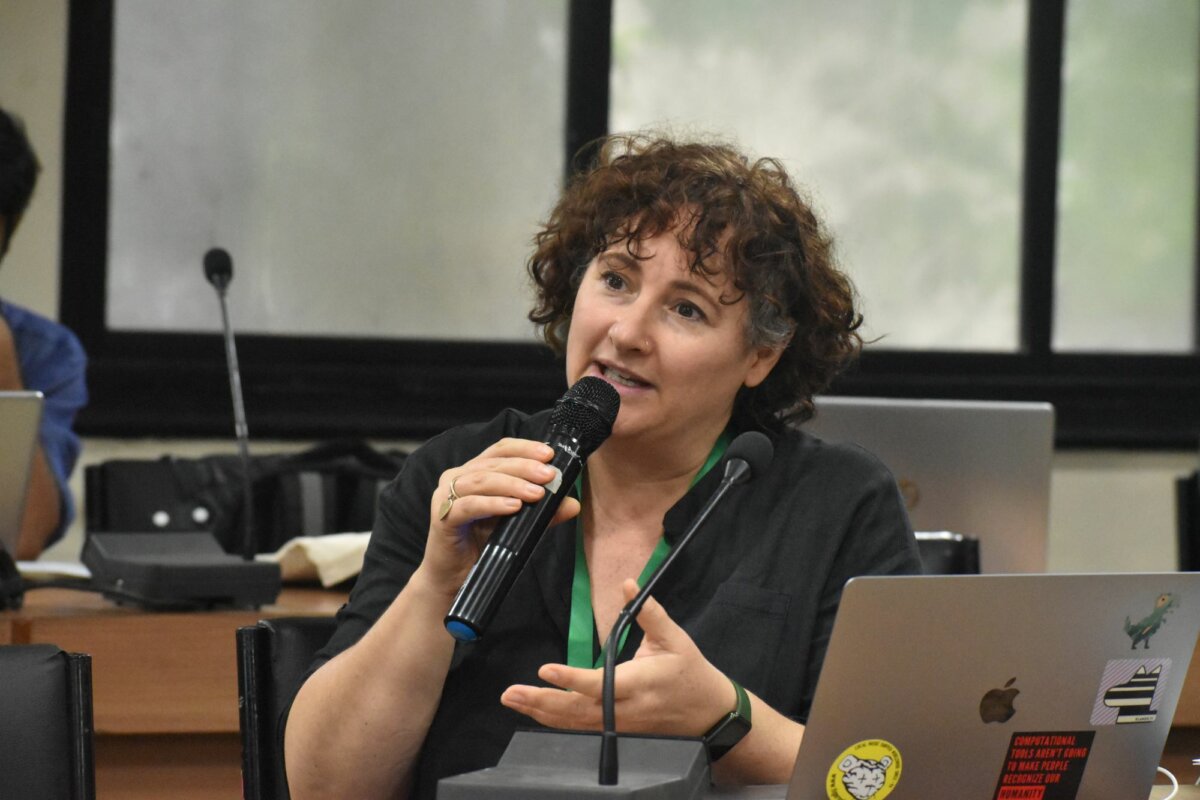
WCJ senior lecturer and head of the Wits Justice Project Dr Nechama Brodie recently attended the third Punishment in the Global Peripheries conference, held at the Tata Institute of Social Science in Mumbai, where she presented a paper on ‘Re-imagining Foucault’s “common enemy” in the context of contemporary South African news reporting on murder’.
More than 45 papers were shared during the three-day conference – representing inter-disciplinary research from India, Russia, Brazil, Chile, Bangladesh, Argentina, Uruguay, Nepal, the Democratic Republic of Congo, Jamaica, and South Africa – covering issues ranging from legal systems and frameworks to detention, trial, imprisonment and mass incarceration, colonial legacies and decolonisation, and theoretical readings of punishment, criminality and violence in the Global South.
The conference was hosted by the Global Criminal Justice Hub at Oxford Centre for Criminology (United Kingdom), the Programa Delito y Sociedad from the Universidad Nacional del Litoral (Argentina), and the Centre for Criminology and Justice at the School of Social Work, Tata Institute of Social Sciences (India). |
| |
|
Publication review - Decolonising journalism education in South Africa: critical perspectives
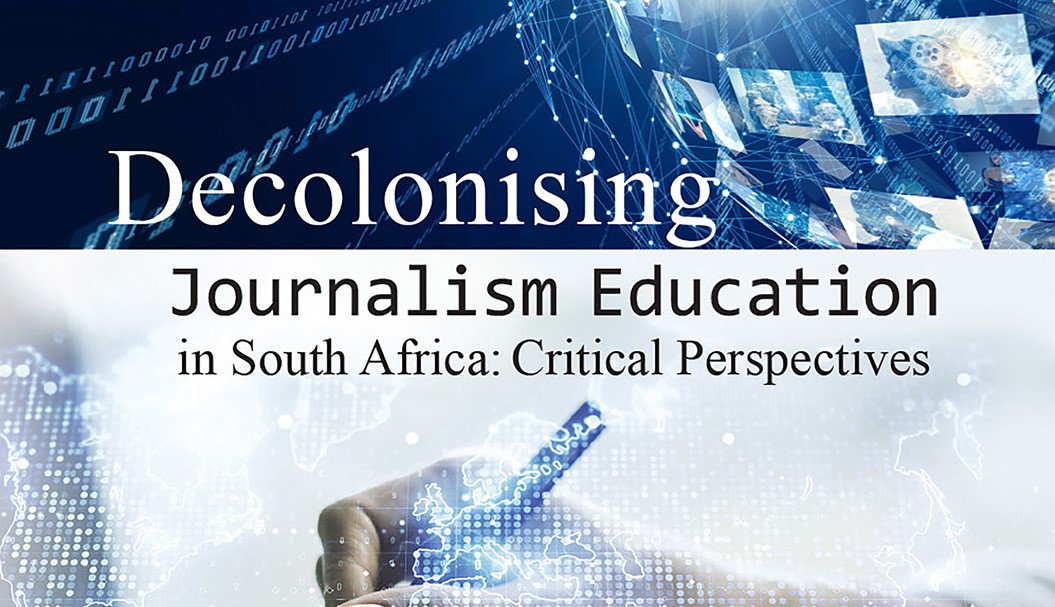
Wits Centre for Journalism Lecturer Pheladi Sethusa recently reviewed Decolonising journalism education in South Africa: critical perspectives, a publication by Ylva Rodny-Gumede, Colin Chasi, Zubeida Jaffer and Mvuzo Ponono that attempts to answer some of the questions raised by students, staff and society following the 2015/2016 #RhodesMustFall and #FeesMustFall movements in South Africa.
"The renewed call for decolonizing exclusionary curricula, fee structures and the African university was met with violence and resistance. The authors in this collection address the roots of this violence, both physical and psychological, and through their research begin excavating worthy responses to the call made by students," writes Sethusa.
Click here to read the full review. |
| |
|
Africa-China Reporting Project participates in China-South Africa Youth Dialogue
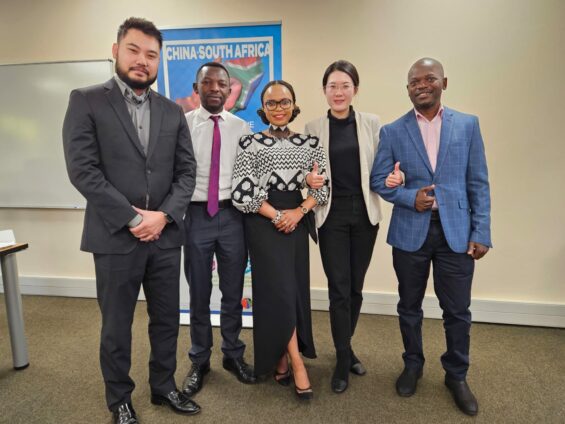
The WCJ's Africa-China Reporting Project recently participated in the China-South Africa Youth Dialogue, hosted by the Wits School of Governance in partnership with the Consulate-General of the People’s Republic of China in Johannesburg.
The event recognised the 25th anniversary of the formal establishment of diplomatic relations between China and South Africa, which came into effect in 1998. It brought together early career academics, young people across various political organisations and organised civil society groups from China and South Africa, to review ongoing relations and look ahead to strengthening the partnership between the two nations.
Click here to read the full report. |
| |
|
• Train your community to stop the spread of false information with the International Center for Journalists (ICFJ). ICFJ is now accepting applications for this “training of trainers” opportunity, that will empower participants to curb mis/disinformation. Deadline: 4 August. Click here for details.
• Journalists 30 and younger working in developing countries are invited to apply for the 2023 Young Journalist Award from the Thompson Foundation. Three finalists will be flown to London for the gala award evening. Deadline: 11 August. Click here for details.
• Journalists and media organisations are invited to submit nominations for the 2023 Fetisov Journalism Awards. The awards recognise journalists for their service and commitment to changing the world for the better through their work. Deadline: 1 October. Click here for details. |
| |
Wits Centre for Journalism
All rights reserved © 2023
| |
|